Commercial Electrical Systems: Maintenance Best Practices

Commercial Electrical Maintenance

In the realm of commercial operations, the reliability and safety of electrical systems are paramount. Efficiently managing these systems is not just about preventing downtime; it’s about ensuring the safety of your staff, customers, and assets. Gervais Electric Inc., with years of expertise in the field, shares essential maintenance best practices to keep your electrical systems in optimal condition.

Regular Inspections

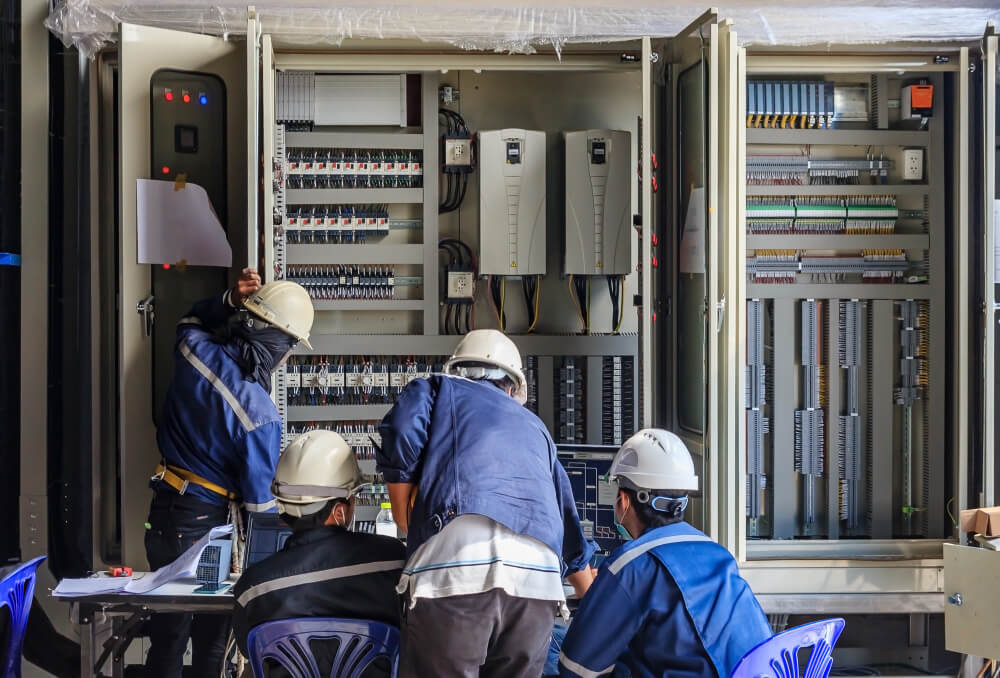
Routine inspections are the cornerstone of electrical system maintenance. They help identify potential issues before they escalate into major problems. Inspections should cover all components, including wiring, switchgear, panels, and outlets. Look for signs of wear and tear, overheating, and corrosion. Early detection of these signs can prevent costly repairs and downtime.

Testing and Monitoring

Implementing a regular testing schedule for your electrical equipment can significantly extend its lifespan and efficiency. This includes testing circuit breakers, transformers, and emergency lighting systems to ensure they are operating correctly. Monitoring systems can also be installed to continuously oversee the electrical load, identifying fluctuations or unusual patterns that may indicate an issue.

Cleaning and Dusting

Dust and debris can accumulate in electrical panels and components, potentially causing overheating and short circuits. Regular cleaning of these areas can help maintain their efficiency and prevent fire hazards. However, cleaning should be done with caution and ideally by professionals, as there are risks involved when working with electrical components.

Upgrading and Updating

Technology advances and so should your electrical systems. Upgrading outdated components can improve efficiency, reduce energy consumption, and enhance safety. Regular updates also ensure your systems comply with current electrical codes and standards, which can change over time.

Professional Maintenance

While some basic maintenance tasks can be performed in-house, it’s crucial to have a professional electrical service provider conduct thorough inspections and repairs. A licensed electrician can provide expert advice, identify issues that may not be obvious to the untrained eye, and ensure that repairs are done safely and effectively.

Employee Training

Educating your staff about basic electrical safety and maintenance practices is also essential. This includes training on how to recognize potential electrical hazards, the importance of reporting issues promptly, and the safe use of electrical equipment. A well-informed team can act as the first line of defense against electrical system failures.

Conclusion

Maintaining your commercial electrical systems is not just a matter of regulatory compliance; it’s a critical investment in your business’s safety and efficiency. By adhering to these best practices, you can ensure that your electrical systems are reliable, safe, and capable of supporting your business operations without interruption.

If you’re looking for professional assistance to keep your electrical systems in top shape, Gervais Electric Inc. is here to help. Our team of experienced electricians specializes in commercial electrical maintenance, offering tailored solutions to meet your specific needs. Don’t wait for an electrical issue to disrupt your business. Contact us today to schedule an inspection or maintenance service.

Schedule Your Electrical System Maintenance with Gervais Electric Inc.

Ensure your business runs smoothly and safely. Fill out the form below to get started.
The Future of Home Electricity: Trends to Watch in 2024

Home Electricity Trends 2024

As we step into 2024, the landscape of home electricity is undergoing significant transformations. Driven by advancements in technology, environmental considerations, and changing consumer behaviors, these trends promise to reshape how we generate, consume, and think about electricity in our homes. Let’s explore some of the most compelling trends that are set to influence the future of home electricity in 2024.

1. Smart Home Integration

Smart home technology has moved from being a luxury to a necessity for many households. In 2024, we expect to see an even greater integration of smart devices in homes, all designed to optimize energy consumption. These systems not only learn from your habits and adjust settings to save energy but also allow for remote management of appliances, heating, and lighting, ensuring that electricity is used efficiently.

2. Renewable Energy Adoption

The shift towards renewable energy sources is becoming more pronounced. Solar panels and home wind turbines are becoming more affordable and efficient, encouraging more homeowners to generate their own electricity. This trend is bolstered by battery storage solutions that have become more capable, allowing excess energy to be stored and used when the sun isn’t shining or the wind isn’t blowing.

3. Electric Vehicle Integration

Electric vehicles (EVs) are set to play a pivotal role in the home electricity ecosystem of 2024. With the increase in EV ownership, the demand for home charging stations has risen. Future systems will not only charge vehicles but also allow for vehicle-to-grid (V2G) technologies, where EVs can supply electricity back to the grid or home during peak times, effectively using EVs as a mobile energy storage solution.

4. Energy Efficiency Standards and Building Codes

Governments and regulatory bodies are placing a greater emphasis on energy efficiency, leading to stricter building codes and standards. Homes in 2024 are expected to be built with high-efficiency materials and designs, from triple-glazed windows to advanced insulation techniques, significantly reducing the need for heating and cooling.

5. Decentralized Energy Systems

The concept of decentralized energy, or microgrids, is gaining traction. These systems allow communities to generate, store, and manage their own electricity independently of the national grid. This not only enhances resilience against power outages but also promotes the use of local renewable energy resources, reducing dependence on fossil fuels.

6. IoT and AI Optimization

The Internet of Things (IoT) and artificial intelligence (AI) are revolutionizing the way we manage home electricity. AI algorithms can analyze vast amounts of data from IoT devices to predict electricity demand and adjust supply accordingly. This can lead to more balanced grids and lower electricity costs for consumers.

7. Peer-to-Peer Energy Trading

Blockchain technology is enabling peer-to-peer (P2P) energy trading, allowing individuals to buy and sell excess electricity directly with neighbors without going through the traditional grid. This trend encourages the use of renewable energy and gives consumers more control over their electricity usage and costs.

Conclusion

The future of home electricity in 2024 is marked by a shift towards sustainability, efficiency, and technology-driven solutions. As these trends continue to evolve, they promise to transform our relationship with electricity, making our homes more comfortable, resilient, and environmentally friendly. The key to navigating this future will be adaptability and a willingness to embrace new technologies and practices that support a more sustainable and efficient use of resources.