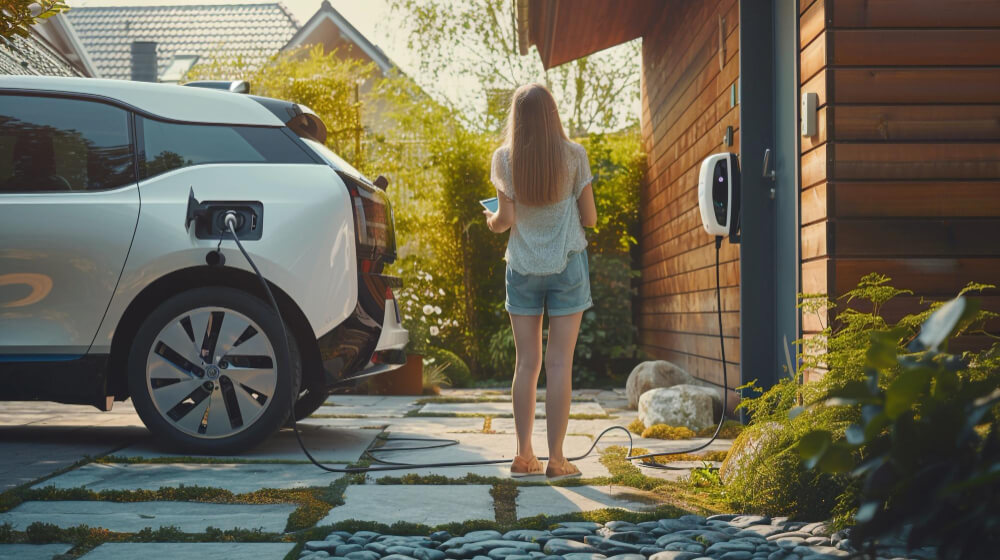
Top 5 Electrical Services Every Nashville Home Needs

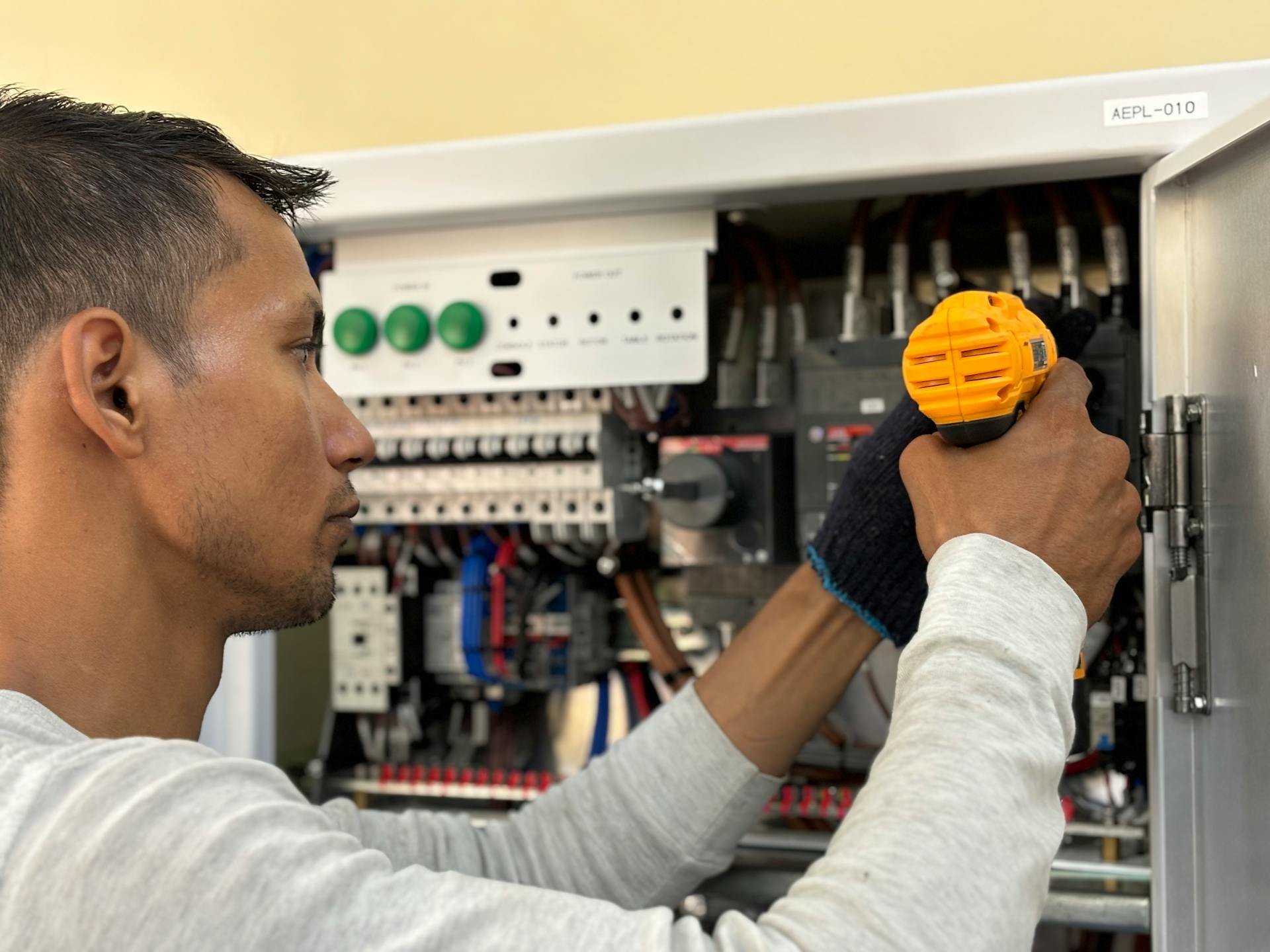
Living in a vibrant, growing city like Nashville means your home has to keep up with the times—and that includes your electrical system. Whether you live in a classic cottage in East Nashville or a new build in Green Hills, there are several key services a trusted Electrician in Nashville can offer to keep your home safe, efficient, and future-ready.

1. Electrical Panel Upgrades

Many older homes in Nashville still have outdated fuse boxes or limited-capacity breaker panels. If your lights flicker, breakers trip often, or you’re adding new appliances, it’s time for an upgrade. A modern panel provides better safety, allows for more circuits, and ensures your home can handle today’s energy demands.

2. Whole-Home Surge Protection

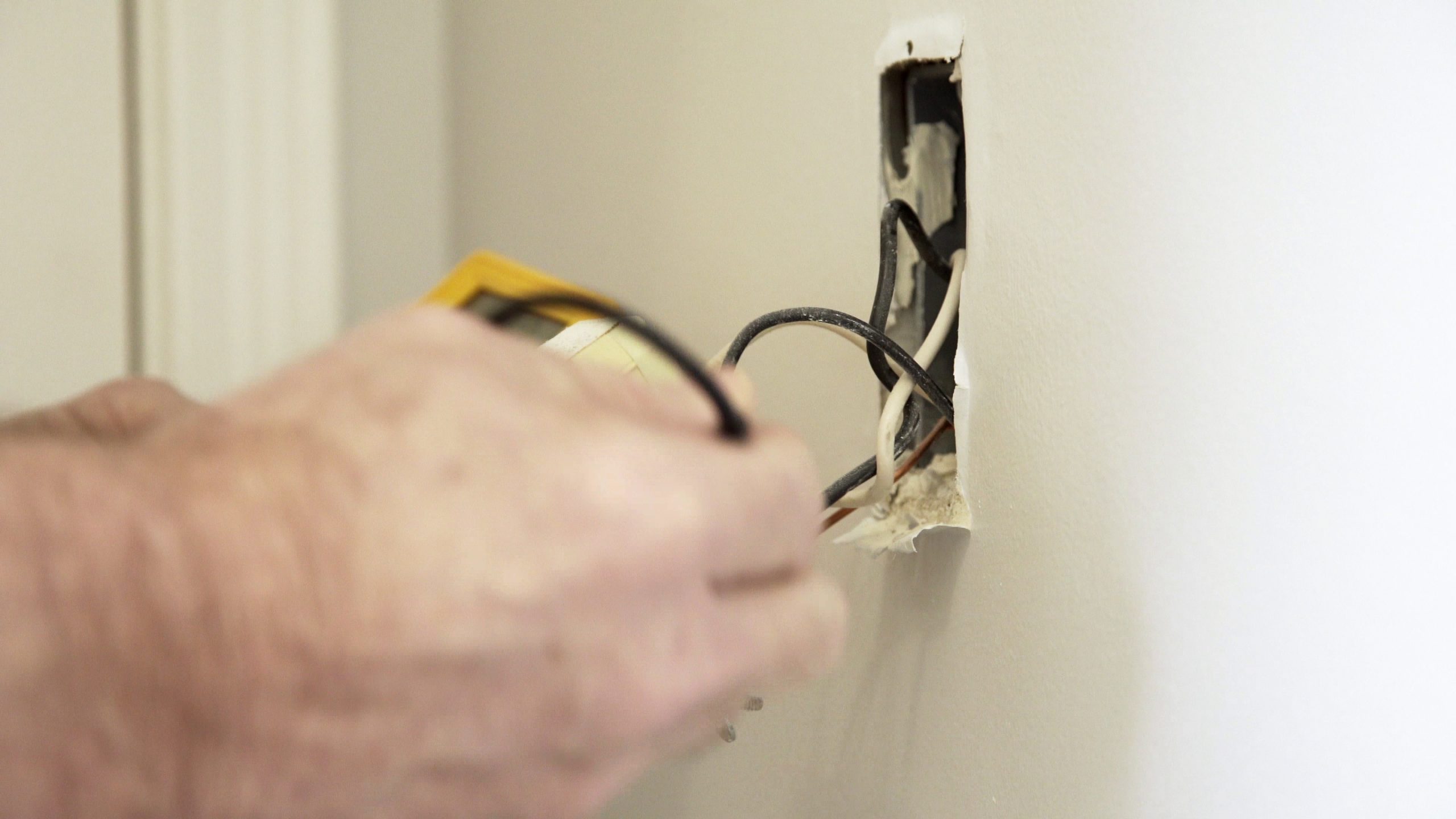
With summer storms and unpredictable power surges, protecting your electronics is more important than ever. A licensed Electrician in Nashville can install a whole-home surge protector directly into your panel, safeguarding your TV, computers, and appliances from costly damage.

3. Smart Home Integration

From voice-activated lighting to Wi-Fi thermostats and doorbell cameras, smart home tech is booming in Nashville. But proper installation is crucial to ensure functionality and safety. Electricians can help you select compatible devices and install them for optimal performance and connectivity.

4. EV Charger Installation

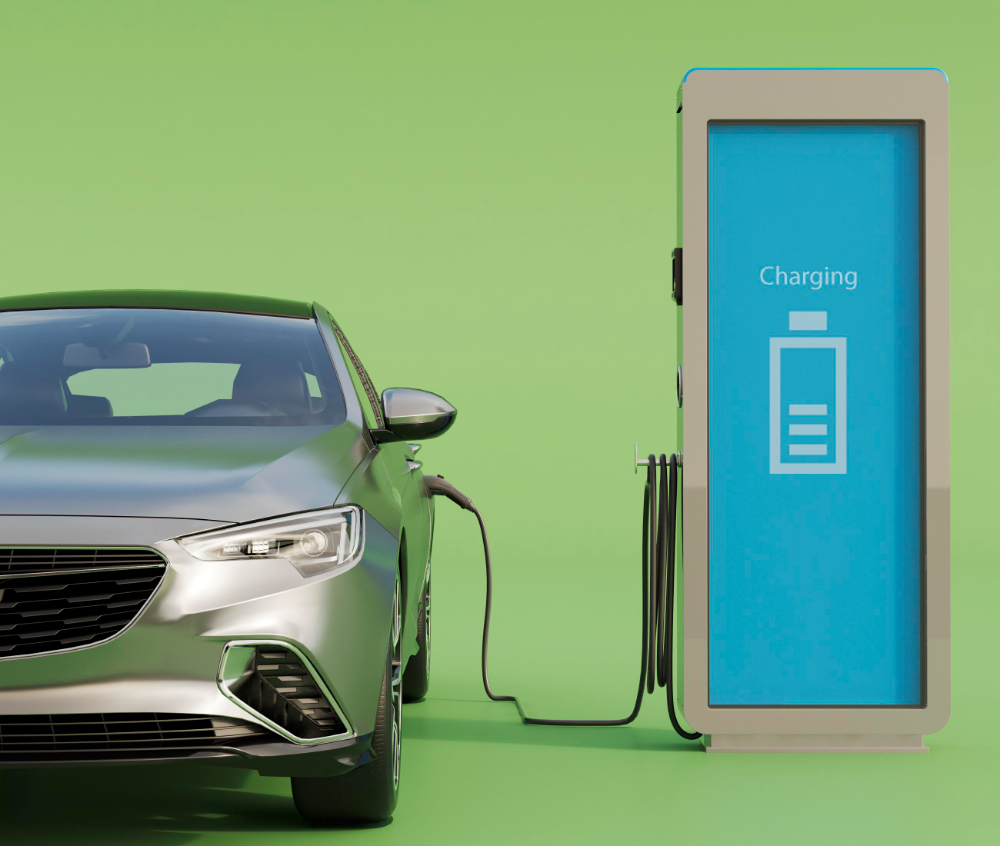
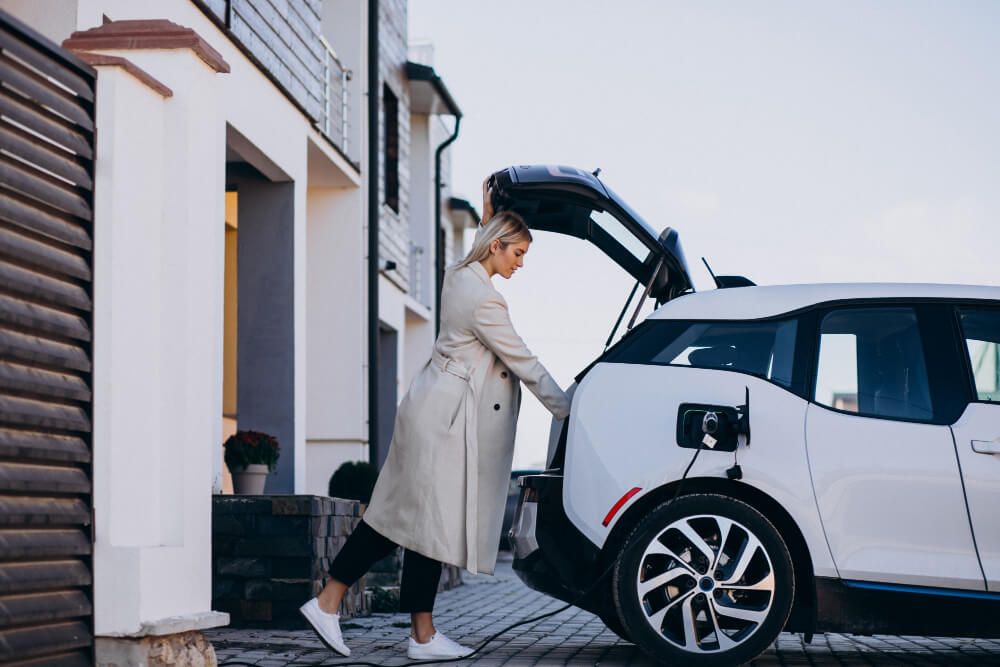
As electric vehicles become more popular, many homeowners are adding EV charging stations. A qualified electrician can install a Level 2 charger, assess your panel’s capacity, and ensure compliance with city regulations.

5. Outdoor and Landscape Lighting

Outdoor lighting enhances curb appeal and adds security. Whether it’s motion-activated lights, garden lighting, or pathway illumination, a skilled Electrician in Nashville can design and install a custom setup that elevates your outdoor space.

These services not only improve your home’s safety and efficiency but also increase its resale value. In a competitive real estate market like Nashville’s, modern electrical upgrades can be a major selling point.

Hiring a professional Electrician in Nashville means you get expert advice, quality workmanship, and peace of mind knowing your home is in good hands. Whether you’re making small updates or taking on a major renovation, trusted local electricians have the tools and experience to make it happen.

How to Choose the Right Electrician in Nashville: A Complete Guide

If you’ve ever searched online for an Electrician in Nashville, you know there are dozens of companies competing for your business. But how do you choose the one that’s right for your project? Whether you’re rewiring an old home, installing a ceiling fan, or handling an emergency outage, choosing a reputable electrician can save you time, money, and stress.

Start by checking for proper licensing and insurance. A legitimate Electrician in Nashville should be fully licensed by the state of Tennessee and carry liability insurance. This protects you in case of accidents or damage during the job. Don’t be afraid to ask for proof—professional electricians are happy to provide documentation.

Next, consider experience. Electrical work is complex and requires hands-on knowledge that only comes with years in the field. Look for electricians with experience in both residential and commercial settings. The more diverse their project history, the more likely they’ll be able to troubleshoot problems and offer solutions specific to your needs.

Customer reviews are another essential tool. Platforms like Google, Yelp, and Angi offer real feedback from people in your community. Pay close attention to comments about punctuality, professionalism, and the quality of the finished work. A top-rated Electrician in Nashville will have a strong online reputation and plenty of happy customers.

It’s also important to understand pricing. Reliable electricians will give you a clear, upfront estimate before beginning any work. Be wary of anyone who offers a quote over the phone without seeing the job in person. The best electricians in Nashville take the time to assess your needs on-site and explain the cost breakdown in detail.

Communication is key throughout the process. Your electrician should be responsive to calls or emails, explain technical issues in plain language, and update you regularly if timelines change. Good communication ensures the project stays on track and you’re never left guessing.

Finally, don’t underestimate the value of local knowledge. A Nashville-based electrician understands the challenges of working in older homes in East Nashville, dealing with historical building restrictions, or navigating the city’s unique infrastructure. Their local expertise is a major advantage when dealing with inspections and code compliance.

Choosing the right Electrician in Nashville doesn’t have to be stressful. By focusing on qualifications, reviews, transparency, and local experience, you’ll find a partner you can trust for years to come.

Why Hiring a Professional Electrician in Nashville is Essential for Your Home

When it comes to maintaining a safe, functional, and efficient home, few things are as important as a well-maintained electrical system. Whether you’re building a new house, renovating your kitchen, or simply replacing outdated wiring, hiring a professional Electrician in Nashville is not just a smart decision—it’s essential.

Many homeowners are tempted to handle minor electrical repairs themselves to save time and money. While some tasks like replacing light bulbs or installing basic light fixtures might seem simple, anything beyond that can become dangerous. Poorly installed wiring can lead to electrical fires, equipment damage, and even personal injury. A licensed electrician ensures that every job complies with local codes and safety standards, giving you peace of mind that the work has been done right.

In Nashville, we’re seeing a boom in housing and commercial development, which means electrical systems are becoming more complex. From smart home installations to EV charger setups and high-efficiency lighting systems, today’s electrical needs go beyond basic functionality. A qualified Electrician in Nashville understands the latest technologies and how to integrate them into your home seamlessly.

Additionally, Nashville’s unique weather patterns—including sudden storms and hot, humid summers—can impact your electrical system. Professional electricians know how to safeguard your system against common local issues like power surges, downed lines, or overloaded circuits. They can recommend surge protectors, panel upgrades, and energy-efficient systems tailored to Tennessee’s climate and your lifestyle.

Hiring a local electrician also means working with someone who understands the specific building codes, permit requirements, and inspection processes in Davidson County and surrounding areas. These regulations are designed to keep you and your family safe—and only a licensed electrician can ensure your work passes inspection the first time.

Ultimately, the value of hiring a professional Electrician in Nashville goes far beyond fixing a problem. It’s about protecting your property, enhancing your home’s functionality, and making a long-term investment in safety. When you work with trusted electricians, you’re not just getting a service—you’re getting peace of mind.

Rivian Charging at Home: What You Need to Know Before You Install

Rivian Home Charging Installation

Electric vehicles (EVs) are revolutionizing the automotive industry, offering an eco-friendly and efficient alternative to traditional gas-powered vehicles. Among the top contenders in the EV market, Rivian stands out with its innovative trucks and SUVs, such as the R1T and R1S. For Rivian owners, setting up a home charging station is not just a convenience—it’s an essential step in maximizing the benefits of EV ownership. At Gervais Electric Inc. we specialize in EV charger installations and are here to guide you through the process of installing a Rivian home charger.

1. Understanding Rivian’s Charging Requirements

Rivian vehicles are designed to support multiple charging levels, offering flexibility for different scenarios:

  • Level 1 Charging: This is the simplest charging option and involves plugging your Rivian into a standard 120V household outlet. While convenient, it is slow, adding only about 3 to 5 miles of range per hour. Level 1 charging is best for occasional use or overnight charging when driving distances are short.
  • Level 2 Charging: Rivian recommends Level 2 charging for daily use. Operating on a 240V circuit, Level 2 chargers can add 11 to 25 miles of range per hour, depending on the charger’s amperage. This faster charging option ensures your Rivian is ready to go whenever you need it.

Pro Tip: Understanding your driving habits and daily range requirements will help you determine which charging level is right for you.

2. Choosing the Right Charger

Selecting the ideal Level 2 charger for your Rivian involves evaluating factors such as performance, features, and compatibility:

  • Amperage: Higher amperage chargers deliver faster charging. Rivian’s Wall Charger provides up to 48 amps, which significantly reduces charging time. However, ensure your home’s electrical system can handle the load before selecting a high-amperage charger.
  • Smart Features: Many Level 2 chargers come with advanced features like scheduled charging, energy usage monitoring, and Wi-Fi connectivity. These features can help optimize electricity consumption, reduce costs, and even integrate with renewable energy systems like solar panels.
  • Brand Compatibility: While Rivian’s branded Wall Charger is tailored for their vehicles, other reputable Level 2 chargers from brands like ChargePoint, JuiceBox, and ClipperCreek are also compatible.

Pro Tip: Consider your future needs. If you plan to add another EV to your household, choose a charger that can support multiple vehicles or be upgraded easily.

3. Installation Considerations

Installing a Level 2 charger involves more than just plugging it in—it requires careful planning to ensure safety and efficiency:

  • Electrical Capacity: Assess your home’s electrical system to confirm it can support the additional load of a Level 2 charger. In some cases, you may need to upgrade your electrical panel or add a dedicated circuit.
  • Location: The charger should be installed in a location that’s convenient for regular use, such as your garage or driveway. Keep in mind the length of the charging cable and ensure the charger is within easy reach of your parked Rivian.
  • Permitting and Regulations: Check local building codes and regulations. Some areas require permits for electrical work, and all installations must meet local electrical standards.

Pro Tip: Work with a professional electrician to evaluate your home’s setup and address any potential electrical upgrades before installation.

4. Professional Installation by Certified Electricians

A professional installation is essential for ensuring the safety and reliability of your home charging station:

  • Expertise in EV Chargers: At Gervais Electric Inc, our certified electricians are experienced in installing EV chargers for all major brands, including Rivian. We ensure that your charger is installed safely and in compliance with local codes.
  • Safety Checks: Our team performs thorough safety checks, including testing electrical connections and verifying circuit capacity, to ensure that your charging station operates flawlessly.
  • Future-Proofing: We can recommend and install upgrades that not only meet your current needs but also prepare your home for future EVs or higher energy demands.

Pro Tip: Always opt for licensed electricians to handle EV charger installations to avoid potential hazards or compliance issues.

5. Costs and Incentives

The cost of installing a Rivian home charging station varies depending on factors like the type of charger, necessary electrical upgrades, and installation complexity. Fortunately, several incentives can help offset these costs:

  • Federal and State Incentives: Many regions offer tax credits or rebates for installing EV chargers. For instance, the federal government’s tax credit program may cover up to 30% of installation costs.
  • Utility Programs: Some utility companies offer incentives, such as discounted rates for electricity used during off-peak hours or rebates for installing energy-efficient chargers.
  • Long-Term Savings: While the upfront cost of a Level 2 charger may seem significant, the convenience and lower electricity costs compared to public charging stations make it a worthwhile investment.

Pro Tip: Research incentives in your area before purchasing a charger or scheduling an installation to maximize your savings.

6. Maintenance and Optimization

Once your Rivian home charger is installed, keeping it in good condition ensures long-term reliability:

  • Routine Maintenance: Periodically inspect the charger and cables for signs of wear or damage. Clean the charging port to prevent debris from interfering with connections.
  • Software Updates: Many smart chargers offer firmware updates to improve functionality and compatibility. Ensure that your charger is updated regularly for optimal performance.

Pro Tip: Set up scheduled charging during off-peak hours to save on electricity costs and reduce strain on the grid.

Conclusion

Setting up a home charging station for your Rivian vehicle is a game-changer, offering unparalleled convenience, reduced charging times, and long-term savings. By choosing the right charger, planning your installation carefully, and working with experienced professionals like Gervais Electric Inc, you can ensure that your Rivian is always ready to hit the road.

Ready to install your Rivian charging station? Contact Gervais Electric Inc today. Fill out the form below or give us a call to schedule your installation. Let us help you power your Rivian with a home charging solution that’s efficient, reliable, and tailored to your needs.

Ford’s Electric Future: Installing the Perfect Charger for Your Mach-E or F-150 Lightning

Ford EV Charger Installation

As Ford continues its ambitious journey into the electric vehicle (EV) market with innovative models like the Mustang Mach-E and the F-150 Lightning, the importance of a reliable and efficient home charging setup cannot be overstated. At Gervais Electric Inc, we understand that charging your EV isn’t just about plugging in—it’s about creating a system tailored to your lifestyle, driving habits, and future needs. Here’s a detailed guide to help you select and install the ideal charger for your Ford EV, ensuring a seamless charging experience.

1. Understanding Charger Types

Choosing the right charger starts with understanding the options available and their capabilities.

  • Level 1 Chargers: These chargers come with your Ford EV and plug into a standard 120V household outlet. While they’re convenient for occasional top-ups or low-mileage drivers, they are relatively slow, adding only about 3 to 5 miles of range per hour of charging. Level 1 chargers are best suited for drivers with light daily use who have ample time to charge overnight.
  • Level 2 Chargers: For a more efficient solution, Level 2 chargers operate on 240V, significantly reducing charging times. They can add 20 to 30 miles of range per hour, making them ideal for Ford EV owners who rely heavily on their vehicles or have larger batteries, like those in the F-150 Lightning.
  • DC Fast Chargers (Public Use): While primarily found in public charging stations, DC fast chargers can charge an EV up to 80% in 20–40 minutes. These are great for road trips but are not typically installed at home due to their high cost and power requirements.

2. Selecting the Right Charger

Not all chargers are created equal, and choosing the best one for your needs involves careful consideration of several factors:

  • Charging Speed: Evaluate your daily driving needs. If you commute long distances, a faster Level 2 charger is essential to ensure your EV is ready to go each morning. For occasional use, a mid-range Level 2 charger may suffice.
  • Smart Features: Many modern chargers are equipped with smart features, including:
    • Programmable Schedules: Set your charger to operate during off-peak hours to save on electricity costs.
    • Remote Access: Control and monitor your charger via a mobile app for added convenience.
    • Energy Usage Tracking: Get detailed insights into your charging patterns and costs.
  • Compatibility: Ensure the charger is compatible with your Ford EV model. Most chargers are universal, but confirming compatibility can save you from potential issues.

3. Professional Installation

Installing a Level 2 charger involves more than plugging it in—it’s a process that requires professional expertise to ensure safety and compliance.

  • Site Assessment: Before installation, our team at Gervais Electric Inc. will evaluate your home’s electrical system to determine whether it can support the additional load of a Level 2 charger. In some cases, upgrades to your electrical panel may be necessary.
  • Proper Placement: The location of your charger should be convenient and efficient. Whether you park in a garage, driveway, or carport, we’ll help you identify the optimal spot to minimize cable length and maximize ease of use.
  • Safety Compliance: Our installations adhere to all local codes and regulations, ensuring your system is not only reliable but also safe for long-term use.

4. Maximizing Efficiency

Once your charger is installed, maximizing its efficiency can make a big difference in both convenience and cost savings.

  • Time-of-Use Rates: Many utility companies offer time-of-use plans, which provide lower electricity rates during off-peak hours, such as late at night. Setting your charger to operate during these times can result in substantial savings over time.
  • Energy Management: Integrating your EV charger with a home energy management system allows you to optimize overall household energy usage. These systems can prioritize charging your EV when other appliances are using less power, preventing unnecessary strain on your electrical system.
  • Regular Maintenance: Periodic maintenance of your charger ensures it operates at peak efficiency and prevents potential issues down the line. This can include checking connections, software updates for smart chargers, and cleaning to prevent dust build-up.

5. Future-Proofing Your Charging Setup

With the rapid evolution of EV technology, ensuring your charging setup is future-proof is an investment in long-term convenience and functionality.

  • Upgradable Systems: Choose chargers that offer firmware updates, enabling them to stay compatible with advancements in EV technology. Some chargers are designed to integrate with smart home systems and even solar panels, providing added flexibility for future upgrades.
  • Higher Capacity Chargers: Even if your current Ford EV doesn’t require a high-capacity charger, planning for future vehicles with larger batteries or faster charging capabilities can save you the hassle and cost of replacing your system later.
  • Additional Outlets: If you plan on owning multiple EVs in the future, consider installing additional outlets or a dual-port charger to accommodate multiple vehicles.

6. Environmental Benefits

A well-designed charging setup isn’t just convenient—it’s a step toward a more sustainable future. By charging your Ford EV at home, especially if paired with renewable energy sources like solar panels, you can significantly reduce your carbon footprint.

  • Green Energy Integration: Many EV owners are now pairing home chargers with solar power systems to create a fully sustainable charging solution.
  • Reduced Emissions: Charging at home using renewable energy reduces dependency on fossil fuels, making your EV ownership even more eco-friendly.

Conclusion

Selecting and installing the right home charger for your Ford Mustang Mach-E or F-150 Lightning is more than just a convenience—it’s an investment in efficiency, sustainability, and your overall EV experience. A well-planned charging setup ensures your vehicle is always ready to hit the road, whether for your daily commute or weekend adventures.

At Gervais Electric Inc., we’re committed to making your transition to electric driving as smooth as possible. From assessing your home’s electrical system to installing state-of-the-art chargers, our expert team is here to provide tailored solutions that meet your needs today and tomorrow.

Ready to power your Ford EV with a custom charging solution? Contact Gervais Electric Inc today to schedule a consultation. Fill out the form below or give us a call to discuss your options and take the first step toward an electrified future.

BMW EV Charging: Integrating Smart Home Technology

Smart BMW EV Charging

As electric vehicles (EVs) become more mainstream, BMW owners are embracing the future of mobility and looking for innovative ways to enhance their EV ownership experience. Integrating your BMW EV charging system with smart home technology can offer unmatched convenience, efficiency, and control. At Gervais Electric Inc., we specialize in creating seamless connections between your electric vehicle and home automation systems. Here’s how smart home integration can revolutionize how you charge your BMW.

1. Smart Charging Stations: More Than Just a Plug

Smart EV chargers go beyond simply powering your vehicle. They connect to your home’s Wi-Fi network, unlocking a range of intelligent features that enhance usability and energy management.

  • Remote Control and Monitoring: Manage your BMW’s charging from anywhere using a smartphone app. Start or stop charging, check the current charge level, or schedule sessions to fit your routine—all with a few taps.
  • Integration with Home Energy Systems: Smart chargers can integrate with your home’s energy management setup, allowing you to optimize energy usage across your household. For example, they can prioritize renewable energy from solar panels or adjust charging rates based on overall household energy demands.

2. Automated Scheduling for Energy Savings

One of the standout features of smart EV chargers is the ability to automate charging based on electricity rates and your driving needs.

  • Peak Shaving: Electricity rates often vary throughout the day, with lower rates during off-peak hours. By programming your BMW to charge overnight, you can save significantly on energy costs without lifting a finger.
  • Load Balancing: High-demand appliances like air conditioners or ovens can strain your home’s electrical system when used simultaneously. Smart chargers monitor overall energy consumption and adjust charging rates to prevent overloads, ensuring smooth operation of all devices.

3. Energy Usage Insights to Optimize Efficiency

Smart charging systems provide valuable data about your energy usage, offering insights that help you make informed decisions about your EV charging habits.

  • Real-Time Tracking: Monitor your BMW’s energy consumption during each charging session. Understand exactly how much electricity is being used and how much it costs in real time.
  • Historical Analysis: Access past charging data to identify patterns and refine your habits. For example, you might find opportunities to charge less frequently or adjust charging times for greater savings.
  • Customized Suggestions: Many smart chargers offer tips to improve energy efficiency based on your usage patterns, helping you reduce both costs and your carbon footprint.

4. Voice-controlled charging for Ultimate Convenience

With smart home integration, controlling your EV charging system becomes as easy as speaking a command. Pair your charger with voice assistants like Amazon Alexa or Google Home to enjoy hands-free operation.

  • Simple Voice Commands: Use commands like, “Alexa, start my BMW charging,” or “Hey Google, what’s the charge status of my car?” for effortless control.
  • Automated Routines: Create smart home routines that sync with your lifestyle. For example, program your system to start charging your BMW automatically when you lock the front door or turn off the lights at night.

5. Enhanced Security for Peace of Mind

In the digital age, security is a crucial aspect of any smart technology, and EV chargers are no exception. Smart charging systems offer features designed to protect your device and your data.

  • User Authentication: Limit access to your charging station by setting up user authentication. This ensures that only authorized individuals can use your charger, safeguarding against unauthorized use.
  • Firmware Updates: Smart chargers regularly receive software updates, improving functionality and keeping your system secure against potential cyber threats.
  • Energy Theft Prevention: Advanced security features can prevent unauthorized vehicles from connecting to your charger, protecting you from unexpected energy costs.

6. Integration with Renewable Energy Systems

For homeowners with solar panels or other renewable energy systems, smart chargers can take your green efforts to the next level.

  • Solar Optimization: Program your charger to prioritize energy generated by your solar panels, reducing reliance on the grid and lowering your electricity bill.
  • Energy Storage Coordination: If your home uses a battery storage system, smart chargers can coordinate with it to maximize the use of renewable energy for EV charging.

7. Future-Proofing Your Home and Vehicle

As EV technology continues to evolve, so do smart home systems. Integrating your BMW EV charger with a smart home setup prepares your home for future advancements.

  • Over-the-Air Updates: Many smart chargers are designed to grow with technology, receiving over-the-air updates that add new features and improve performance.
  • Compatibility with Multiple Vehicles: Planning to add more EVs to your household? Smart chargers with multi-vehicle management capabilities ensure you’re ready to accommodate additional cars without additional infrastructure.

Conclusion

Integrating smart home technology with your BMW EV charging system is more than a convenience—it’s a transformative step that enhances efficiency, saves money, and simplifies your life. With features like remote control, automated scheduling, and energy insights, smart chargers empower you to maximize your EV ownership experience.

At Gervais Electric Inc, we bring expertise and cutting-edge solutions to every project. Whether you’re installing your first EV charger or upgrading to a smart system, our team ensures seamless integration tailored to your needs.

Ready to transform your EV charging experience? Contact Gervais Electric Inc today to explore our smart charging solutions. Fill out the form below or give us a call to schedule a consultation, and let us help you integrate your BMW EV charger with smart home technology for a future-ready home.

Tesla Home Charging: Beyond the Basics

Tesla Home Charging Installation

As electric vehicles (EVs) gain popularity, Tesla stands out as a leader in this shift toward sustainable and innovative automotive solutions. Tesla ownership offers a new approach to “fueling” your vehicle by transitioning from gas stations to the convenience of home charging. At Gervais Electric Inc., we specialize in Tesla home charging installations designed to optimize and enhance your experience. Here’s everything you need to know about setting up a Tesla charging station at home.

1. Choosing the Right Tesla Charger

Tesla provides several charging solutions for various needs, with each offering distinct benefits for different home setups.

  • Tesla Wall Connector: This is Tesla’s recommended home charging solution. It offers the fastest charging speeds, delivering up to 44 miles of range per hour, depending on the model and specific setup. The Wall Connector is ideal for regular, overnight charging, ensuring your Tesla is fully charged every morning.
  • Mobile Connector: Every Tesla includes a Mobile Connector, which provides flexibility for on-the-go charging. It can plug into different outlets, allowing you to charge at various locations. However, the charging speed with the Mobile Connector is slower than the Wall Connector, making it a practical backup option.

2. Installation Considerations

For safe and efficient charging, a properly executed installation is essential. Here’s what you need to take into account:

  • Electrical Requirements: Tesla chargers typically require a 240-volt power supply for faster charging. This power requirement may be more than what your home currently uses, particularly in older homes. A professional electrician can assess your home’s electrical capacity and perform any necessary upgrades to handle the additional load.
  • Professional Installation: Hiring certified professionals, like the team at Gervais Electric Inc, ensures that your Tesla charging station meets all local codes and Tesla’s specifications. A professional installation guarantees safety, efficiency, and peace of mind.

3. Advanced Charging Features

Tesla’s advanced charging features provide both convenience and cost savings, especially when paired with an optimized home setup.

  • Scheduled Charging: By utilizing the scheduled charging feature, you can set your Tesla to charge during off-peak hours, which often have lower electricity rates. This feature is particularly useful if your utility provider offers discounted rates at night, potentially lowering your energy costs.
  • Power Sharing: If you have multiple Teslas in your household, power sharing is an effective solution. Tesla Wall Connectors are designed to share power across multiple chargers, so you can charge more than one vehicle without overloading your home’s electrical system or installing additional circuits.

4. Optimizing Your Charging Setup

To maximize the convenience and efficiency of your home charging station, consider the following:

  • Strategic Location: Choose a charging location that is easy to access and allows plenty of space around your vehicle for maneuvering. Garages or sheltered outdoor areas are ideal, but if these aren’t options, a dedicated spot close to your main parking area can work well.
  • Weather Considerations: For outdoor installations, ensure the charging station is protected from extreme weather, such as rain or intense sunlight. Weatherproofing or installing under a covered area helps extend the charger’s lifespan and maintains reliable performance year-round.

5. Monitoring and Maintenance

Routine monitoring and maintenance are important for the longevity and safe operation of your Tesla charging setup.

  • Routine Checks: Regularly inspect the charging cable and connector for any signs of wear, such as fraying or cracks, which could compromise charging safety and efficiency. Ensure that the connectors are clean and free of dirt or debris.
  • Software Updates: Tesla frequently releases software updates that improve vehicle functionality, including charging efficiency and compatibility with new features. Keeping your Tesla’s software up to date ensures you’re benefiting from the latest advancements.

6. Future-Proofing Your Setup

As EV technology evolves, it’s essential to prepare for future upgrades that might enhance your charging experience further.

  • Higher Capacity Chargers: While current Level 2 chargers are sufficient for most needs, new technologies may bring even faster and more efficient charging options. Designing your home setup with flexibility for future upgrades can save time and cost down the road.
  • Integration with Home Solar Systems: If you’re considering solar panels, some Tesla charging systems are compatible with solar power. This integration allows you to power your EV with renewable energy, significantly reducing your carbon footprint and making your setup more sustainable.

Conclusion

Owning a Tesla transforms the driving experience, and with the right home charging setup, your vehicle can be ready whenever you are, conveniently and efficiently. At Gervais Electric Inc., we are dedicated to providing expert guidance and installation services to enhance your Tesla charging experience. Our team ensures that every installation meets the highest standards, from safety and efficiency to code compliance.

Ready to upgrade your home with a Tesla charging station? Contact Gervais Electric Inc today for a consultation. Fill out the form below or give us a call to discuss your options and schedule your installation. Let us help you drive into the future with a seamless, customized home charging solution that matches the sophistication of your Tesla.

Upgrading Your Home for a Chevrolet EV: Charger Installation Guide

Chevrolet EV Charger Installation

Switching to an electric vehicle (EV) like a Chevrolet Bolt or other Chevy EV models is an exciting step toward more sustainable driving. One key part of this transition is setting up a reliable and efficient home charging station. At Gervais Electric Inc., we specialize in helping Chevrolet EV owners set up charging stations at home, ensuring convenience and safety. Here’s a comprehensive guide to setting up your Chevrolet EV charger so you can confidently charge your vehicle at home.

1. Determine the Right Charger

Chevrolet EVs, such as the Bolt, typically use Level 2 chargers for optimal performance. Level 2 chargers offer a significantly faster charging time than Level 1 options, making them the preferred choice for home installations.

  • Level 1 vs. Level 2 Charging: A Level 1 charger uses a standard 120-volt outlet but charges slowly—around 4-5 miles of range per hour of charge. Level 2 chargers, on the other hand, use a 240-volt outlet and can fully charge your EV overnight, adding up to 25 miles of range per hour.
  • Choose a Compatible Charger: Most Chevrolet EVs are compatible with J1772-compliant Level 2 chargers, which are widely available and compatible with various EV models, providing flexibility if you decide to switch vehicles in the future.

2. Assess Your Electrical System

Installing a Level 2 charger requires more power than a standard appliance, so it’s essential to confirm that your home’s electrical system can handle the additional load.

  • Conduct an Electrical Audit: At Gervais Electric Inc, we recommend an audit of your electrical system by a licensed electrician. This audit evaluates whether your electrical panel can support the extra power needed for an EV charger.
  • Upgrade if Necessary: In some cases, older homes may require an electrical panel upgrade to accommodate a Level 2 charger safely. We can advise you on the best solution for your setup, ensuring your home is ready for the increased power demand.

3. Choose the Best Installation Location

Where you install your EV charger can impact the ease of use and the longevity of the equipment. Choosing a practical, accessible location for your charger can make daily charging much more convenient.

  • Placement Near Parking: Position the charger close to your EV’s parking spot to avoid stretching the charging cable across long distances. Most Level 2 chargers have cables that range from 16 to 25 feet, so it’s helpful to measure the distance in advance.
  • Protect from Weather: While many chargers are designed to withstand the elements, installing your charger in a garage or under a carport can offer extra protection from extreme temperatures and moisture, potentially extending its life.

4. Professional Installation Process

Proper installation is essential for both safety and efficient operation. Working with a professional installer ensures the charger is connected correctly and meets local safety standards.

  • Work with Certified Installers: Gervais Electric Inc’s team of certified electricians will handle the installation, ensuring that your EV charger is set up according to code and safely grounded.
  • Permits and Code Compliance: Some municipalities require permits for EV charger installations. We can handle any necessary paperwork and coordinate inspections to make sure your installation meets all local regulations.

5. Testing and Maintenance

After installation, a few final checks and ongoing maintenance can ensure your charging station remains reliable.

  • Initial Testing: Our technicians test each installation to confirm that the charger is functioning properly and charging at the expected rate. This initial setup includes checking all connections and verifying that the power output matches the specifications for your Chevrolet EV.
  • Regular Maintenance: While EV chargers require minimal maintenance, periodically inspect the area around the charger for wear, clean dust from the unit, and check that the plug and cable are undamaged. Keeping the charging area free of debris can also improve safety and ease of use.

Additional Considerations for Your Home Charging Setup

  • Smart Charger Options: Some Level 2 chargers come with smart features, allowing you to monitor and schedule charging sessions through a mobile app. This functionality can be helpful if you want to take advantage of off-peak electricity rates, potentially lowering your energy costs.
  • Energy Efficiency and Savings: Installing a smart meter or consulting with your electric company about time-of-use rates may allow you to save money by charging during low-demand hours, often at night.
  • Future-Proofing Your Charging Setup: As the EV market continues to grow, charging technology is advancing as well. When selecting your charger, it can be beneficial to choose a model with a slightly higher amperage than your current needs, which will allow flexibility if you switch to a different EV model in the future.

Conclusion

Installing a home EV charging station is a valuable step toward maximizing the benefits of owning a Chevrolet EV. By selecting the right charger, ensuring your electrical system is prepared, and choosing an optimal installation location, you can set up a convenient, efficient charging system that fits your lifestyle.

At Gervais Electric Inc., we are here to guide you through every aspect of this process, from assessing your home’s electrical system to installing and maintaining your new EV charger. With our expertise, you can trust that your Chevrolet EV charger will be installed safely, efficiently, and to the highest standards.

Ready to get started with your Chevrolet EV charger installation? Contact Gervais Electric Inc today. Fill out the form below or give us a call to schedule a consultation. Let us help you power your journey with reliable, professional installation for your EV charging station.

The Best Home Charging Stations for Your Nissan EV

Nissan EV Home Charging Stations

Electric vehicles (EVs) are becoming an increasingly popular choice due to their efficiency, cost-effectiveness, and positive environmental impact. For Nissan EV owners, having a reliable home charging station is crucial to ensure their vehicle is always ready. At Gervais Electric Inc., we specialize in installing high-quality, reliable home chargers for Nissan EVs, providing convenience, efficiency, and peace of mind. Below, we’ve compiled a guide to the best home charging stations for Nissan EVs, considering factors like charging speed, ease of use, and long-term reliability.

1. Nissan Home Charging Station

Features:
The Nissan-branded home charging station is designed specifically for Nissan electric vehicles, ensuring compatibility and ease of use. It is a Level 2 charger, which operates on a 240-volt electrical supply, significantly reducing the time it takes to fully charge your vehicle compared to a Level 1 charger, which runs on a standard 120-volt outlet.

Benefits:

  • Custom-tailored for Nissan EVs: This charger is designed with your Nissan EV in mind, ensuring optimal charging performance.
  • Fast Charging: As a Level 2 charger, it can fully charge your vehicle overnight, providing around 25 miles of range per hour of charging.
  • Ease of Use: The charging station features an intuitive interface, making it simple to use for daily charging needs.

If you are looking for a simple, straightforward charging solution specifically tailored for your Nissan Leaf or other Nissan EV models, this is an ideal choice.

2. ChargePoint Home Flex

Features:
The ChargePoint Home Flex is a versatile, WiFi-enabled Level 2 home charger that can deliver between 16 and 50 amps of power. The adjustable amperage makes it adaptable to your current electrical capacity, and it can be upgraded easily if you enhance your home’s electrical system in the future.

Benefits:

  • Adjustable Amperage: You can set the amperage according to your home’s electrical system, ranging from 16 to 50 amps, which provides flexibility depending on your needs and infrastructure.
  • WiFi Connectivity: The smart features enable you to schedule charging times, monitor energy usage, and track costs through the ChargePoint app.
  • Compatibility: ChargePoint Home Flex is compatible with all major EV models, so if you ever switch from Nissan to another electric vehicle, this charger will remain useful.

This charger is perfect for tech-savvy Nissan EV owners who want advanced features and flexibility, allowing you to optimize charging times and even take advantage of lower electricity rates during off-peak hours.

3. JuiceBox Pro 40

Features:
The JuiceBox Pro 40 is a popular choice for home EV charging, offering high performance in a compact and sleek design. This smart charger provides up to 40 amps of power and includes an array of smart features that allow for greater control and monitoring.

Benefits:

  • Portability: The JuiceBox Pro 40 is portable and can be easily detached, making it ideal if you plan on moving or need flexibility.
  • Smart Charging Features: Through the JuiceBox app, you can remotely monitor and schedule your charging sessions, set reminders, and track energy consumption. It also integrates with Amazon Alexa and Google Home.
  • Indoor/Outdoor Installation: Its weatherproof design allows for installation both inside and outside, making it versatile depending on your garage or driveway setup.

This option is great for those who value flexibility and smart technology in their charging solution, while also prioritizing high-speed charging.

4. Wallbox Pulsar Plus

Features:
Wallbox Pulsar Plus is one of the smallest yet most powerful home chargers available, delivering up to 40 amps of charging power. It is known for its ultra-compact size without compromising performance. Additionally, it offers advanced features like power sharing, making it ideal for homes with multiple EVs.

Benefits:

  • Compact Size: Its small, sleek design makes it a great option for homeowners with limited space.
  • Power Sharing Feature: If you plan to own more than one EV, Wallbox Pulsar Plus allows for power sharing between two chargers to optimize energy distribution.
  • Solar Integration: It can be connected with home solar systems, allowing you to charge your Nissan EV using renewable energy.

For Nissan EV owners looking for a high-performing yet space-efficient charger, this is an excellent option, especially if you are interested in integrating renewable energy solutions into your home.

5. Tesla Wall Connector (with Adapter)

Features:
Though designed for Tesla vehicles, the Tesla Wall Connector can also be used to charge a Nissan EV with the use of a compatible adapter. It provides up to 48 amps of power, making it one of the fastest home charging solutions available.

Benefits:

  • High-Speed Charging: With up to 48 amps of power, it can charge your EV more quickly than most other home chargers.
  • Sleek Design: The Tesla Wall Connector has a modern, streamlined design that will complement any garage or driveway setup.
  • Durability: Built for long-term use, this charger is known for its robust construction and reliability.

For those who appreciate the high-speed charging capabilities and aesthetics of the Tesla Wall Connector and are willing to use an adapter, this charger can be an effective solution for your Nissan EV.

Conclusion

When selecting the best home charging station for your Nissan EV, it’s important to consider factors such as charging speed, convenience, installation costs, and future compatibility with other vehicles. Whether you prioritize speed, smart features, or portability, Gervais Electric Inc. can provide expert guidance and professional installation services to ensure that your home charging setup meets your needs and maximizes your EV experience.

If you’re ready to install a reliable and efficient home charging station for your Nissan EV, contact Gervais Electric Inc today. Fill out the form below or give us a call to discuss your options and schedule an installation. Let us help you get the most out of your EV with a top-tier home charging solution that suits your lifestyle!

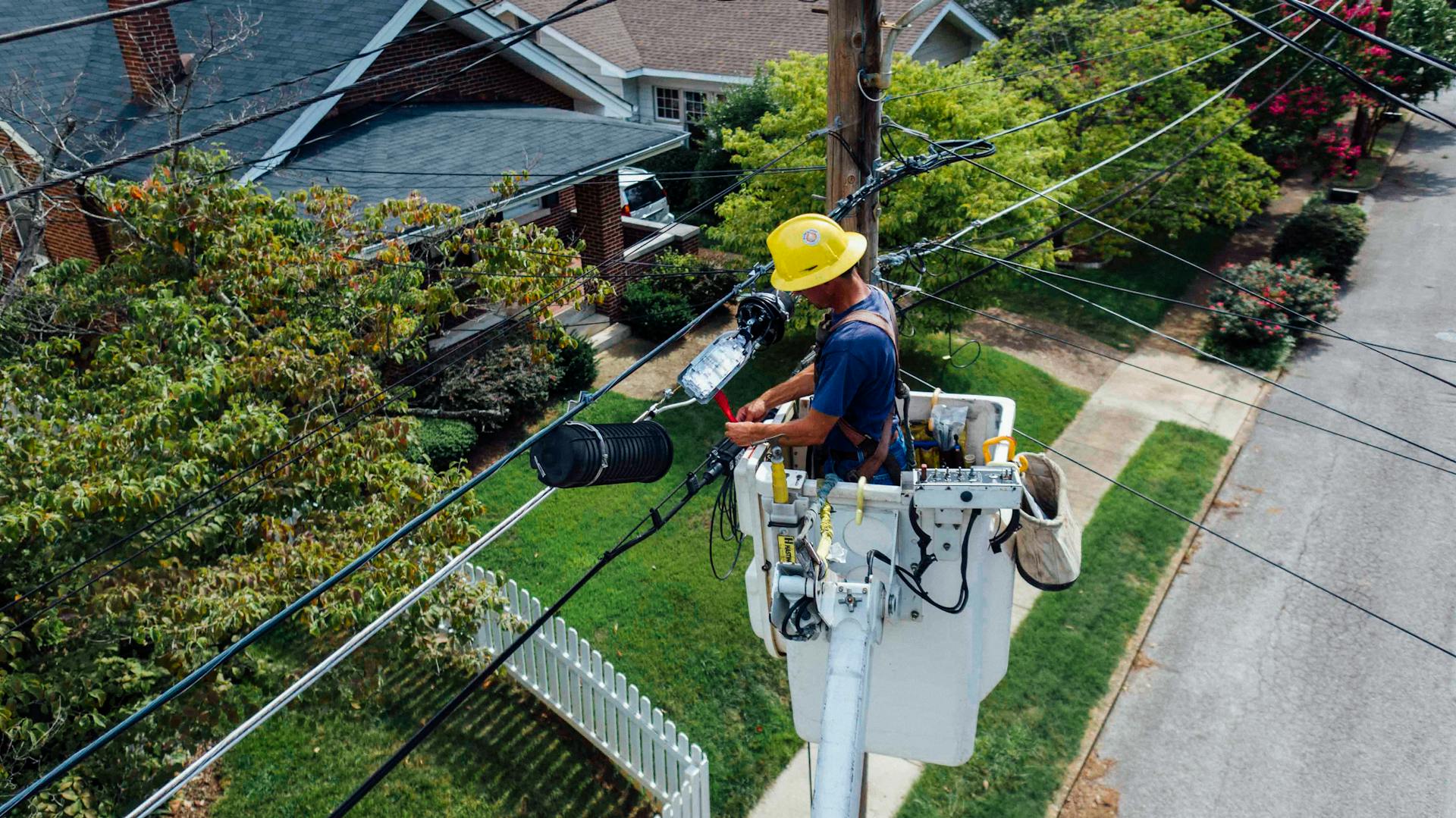
Rivian R1T and R1S: Choosing and Installing the Right Home Charger

Rivian Home Charger Installation

As electric vehicles (EVs) continue to surge in popularity, owning an EV like the Rivian R1T or R1S means ensuring you have the proper home charging setup. A well-installed home charger not only enhances your EV experience by keeping your vehicle ready to go but also maximizes charging efficiency. At Gervais Electric Inc., we specialize in helping EV owners choose and install the ideal home charging solution. Here’s how to select the best charger for your Rivian R1T or R1S, and how we can assist with the installation process.

Choosing the Right Home Charger

1. Understand Charger Levels

  • Level 1 Chargers: These chargers use a standard 120-volt outlet and typically come with your vehicle. While convenient, they offer slower charging speeds, providing about 4-5 miles of range per hour. This option might suffice if you drive less frequently or have overnight charging flexibility.
  • Level 2 Chargers: Most EV owners prefer Level 2 chargers for their faster charging speeds. Level 2 chargers require a 240-volt outlet, similar to those used for appliances like dryers or ovens. These chargers offer much faster charging, typically adding around 25 miles of range per hour, which is ideal for Rivian’s larger battery capacity.

2. Consider Charging Speed

Given the Rivian R1T and R1S have long-range capabilities supported by large battery packs, a Level 2 charger is often the most practical choice. This charger ensures your vehicle is fully charged overnight, giving you ample range for daily use. It’s a highly efficient option for keeping your Rivian ready without long wait times.

3. Check Compatibility

When selecting a home charger, ensure it’s compatible with Rivian’s charging system. Rivian vehicles use a standard J1772 plug for Level 2 charging, which is common among most EV chargers, making it easy to find a compatible charger.

Installing Your Home Charger

1. Choose the Right Location

When deciding where to install your EV charger, consider both convenience and safety. Ideally, the charger should be located near where you park your vehicle, reducing the hassle of long cables. Additionally, if you park outdoors, ensure the charger is protected from extreme weather conditions, or opt for weatherproof equipment.

2. Hire a Professional Electrician

Installing a Level 2 charger involves electrical work that typically requires upgrading your home’s electrical panel. This installation should be handled by a certified professional to ensure safety and compliance with local electrical codes. At Gervais Electric Inc, our certified electricians are experienced with EV charger installations and can complete the job efficiently and safely.

3. Plan for Future Needs

It’s essential to consider your future EV needs when installing a charger. If you’re planning to buy more EVs or upgrade to a newer model with a larger battery, you might want to install a higher-capacity charger now. This proactive approach can save you time and costs down the line if you need more charging power in the future.

Why Choose Gervais Electric Inc?

  • Expertise: Our team has vast experience with EV charger installations and understands the specific requirements for Rivian vehicles, ensuring your setup works seamlessly with your car.
  • Customization: We provide personalized installation solutions tailored to your home’s electrical system and your vehicle’s charging specifications.
  • Safety: Safety is our top priority. We follow strict safety protocols to ensure your charging system is installed correctly, minimizing the risk of electrical issues and ensuring long-term reliability.

Conclusion

Choosing and installing the right home charger for your Rivian R1T or R1S is critical for maximizing your EV experience. A professionally installed home charger offers faster charging times, more convenience, and better efficiency. At Gervais Electric Inc., we are here to help you select and install the perfect charger for your home, ensuring your Rivian is always ready for the road ahead.

Ready to install a home charger for your Rivian? Fill out the form below or contact Gervais Electric Inc today. Let us power your Rivian journey with expert charging solutions tailored just for you!